
The Role of Behavioral Psychology in Game Design
Behavioral psychology plays a pivotal role in the design of casino games, shaping how players interact and engage with them. Understanding the psychological motivations behind player behavior allows designers to create experiences that keep individuals captivated. Game designers utilize principles such as reinforcement theory, which posits that behaviors are shaped and maintained through rewards. By structuring games to provide immediate feedback and rewards, such as bonus rounds or jackpots, designers can enhance the thrill of winning, thereby fostering a cycle of engagement that includes options like australian online pokies that keep players coming back for more.
The thrill of uncertainty is another critical component in maintaining player interest. Known as the variable ratio schedule, this concept suggests players are motivated by unpredictability in outcomes. When players are unsure of when they might win, each spin or turn feels unique and suspenseful. Designers exploit this uncertainty by ensuring that wins are random and infrequent, leading players to continue trying their luck in hopes of hitting that elusive jackpot. This is particularly effective in games like slot machines, where the potential for a substantial payout creates an emotional high that keeps players engaged longer than they might have originally planned.
Moreover, the design of the gaming environment itself significantly enhances player interaction. Elements like lighting, sound effects, and graphics are meticulously crafted to amplify the overall experience. For instance, the sound of coins clinking or celebratory music playing upon a win triggers positive emotions and reinforces the desire to keep playing. This multi-sensory approach not only engages players cognitively but also emotionally, creating an immersive experience that is hard to resist, thus encouraging prolonged interaction with the game.
The Importance of Visual and Auditory Stimuli
Visual and auditory stimuli are integral components of casino game design, significantly influencing player experience and engagement. The use of vibrant colors, appealing symbols, and dynamic animations creates an inviting atmosphere that captures attention. For example, the bright lights and engaging graphics in video slots are not merely aesthetic choices; they are scientifically designed to evoke excitement and prolong the time spent at the machine. This visual appeal, combined with well-structured gameplay mechanics, keeps players engaged and invested, which is essential for the success of any game.
Sound design is equally crucial in enhancing the gaming experience. The auditory feedback provided during gameplay, such as celebratory jingles for wins or suspenseful music leading up to a potential payout, reinforces player satisfaction and their actions. Research indicates that certain sounds can trigger emotional responses, creating an immersive experience that alters players’ perceptions of time and money spent. The strategic use of silence or subtle background noise can heighten tension or emphasize significant wins, making players feel more connected to the game and enhancing their overall enjoyment.

Additionally, the integration of these visual and auditory elements fosters a sense of community among players. Many casino games, particularly those in online settings, include features that allow for interaction, such as chat functions and multiplayer modes. This social aspect taps into the psychological need for connection and shared experiences, enhancing the gaming experience and making it more enjoyable. By creating these communal interactions, game designers can significantly increase player loyalty and retention, ensuring that players return for future gameplay sessions.
The Influence of Game Mechanics and Structure
The mechanics and structure of a game are essential in determining how players interact with it and what draws them in. Game designers often employ a mix of skill-based and chance-based mechanics to cater to a broad range of players. Skill-based games, such as poker, attract individuals who enjoy strategic thinking and competition, while chance-based games like roulette appeal to those who seek excitement and risk. This blending of mechanics allows designers to reach diverse audiences, ensuring that the gaming experience remains fresh and engaging for everyone involved.
Another critical aspect of game structure that influences player psychology is the concept of levels and progression. Many modern casino games feature tiered levels or achievements that provide players with a sense of accomplishment as they progress. This principle is rooted in gamification psychology, where designers apply motivational techniques found in video games to enhance user experience. By rewarding players with bonuses or unlocking new features, designers can maintain high engagement levels, leading to longer play sessions and increased spending.
The design of in-game challenges, such as specific tasks or goals to earn rewards, further taps into players’ motivations. These challenges can create a sense of purpose and achievement, encouraging players to engage more deeply with the game. By strategically incorporating these elements, designers can manipulate psychological triggers that encourage continued play, increasing emotional investment in the game and its outcomes. This dynamic keeps the player experience exciting and fresh, ensuring that individuals remain engaged over time.
The Paradox of Near Misses and Losses
The paradox of near misses is a fascinating psychological phenomenon that casino game designers skillfully leverage. A near miss occurs when a player almost wins, creating a dynamic that can motivate continued gambling. Research indicates that near misses evoke emotions similar to winning, leading players to feel a sense of hope and optimism. Game designers cleverly program outcomes to create these near misses, ensuring that players often feel they are on the verge of success. This tactic heightens player engagement and increases the likelihood of repeated attempts and prolonged play.
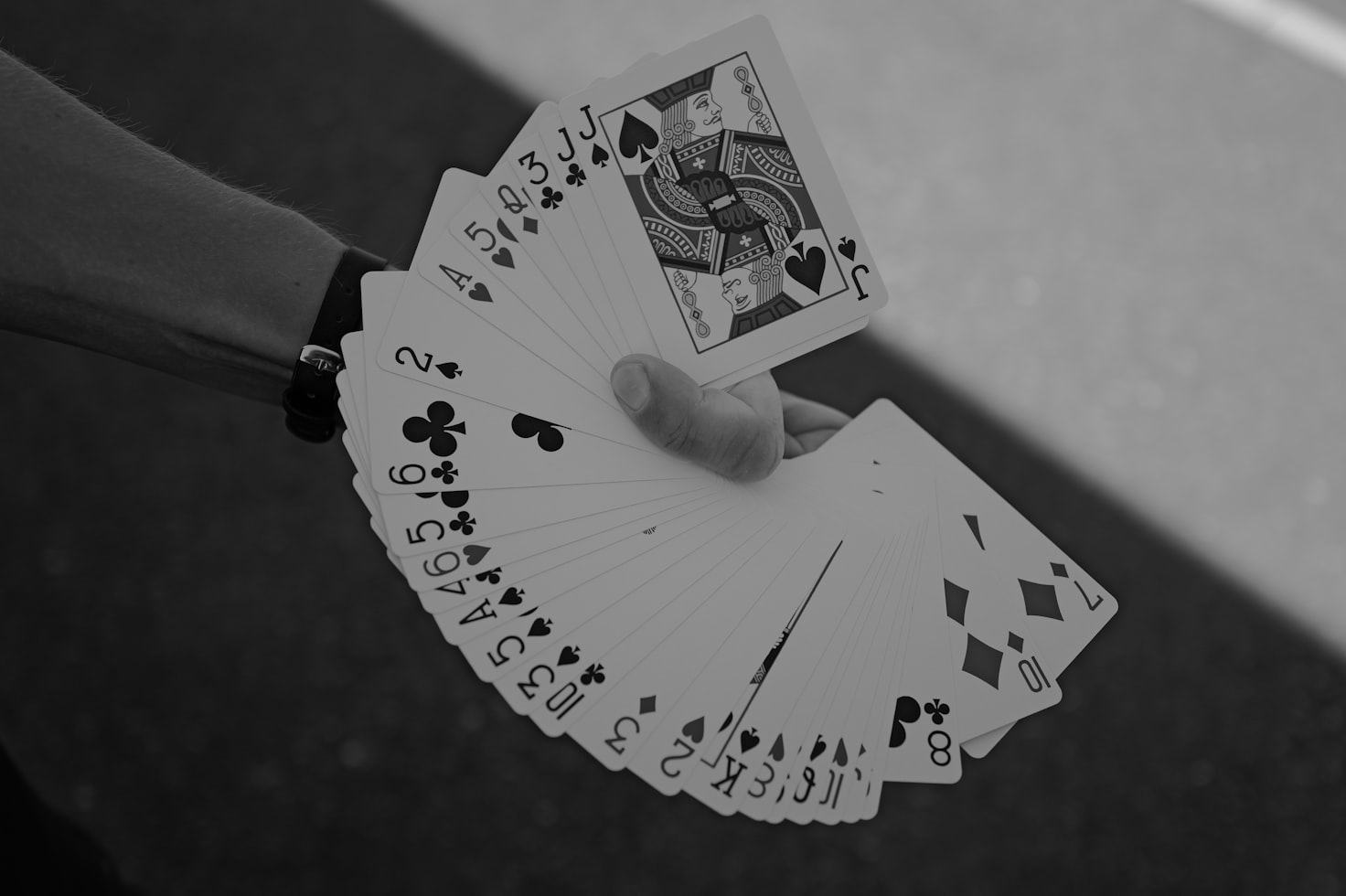
The emotional rollercoaster of wins and near misses significantly influences players’ decision-making processes. Experiencing a near miss can prompt a surge of optimism, encouraging players to wager more in the belief that a win is just around the corner. Designers understand this psychological trigger and use it to create a cycle of thrill and anticipation that is critical for sustaining player interest over time. This emotional engagement serves as a powerful tool, ensuring that players return to the gaming experience for more excitement.
However, it’s essential for designers to maintain a delicate balance between excitement and frustration. While near misses can enhance motivation, excessive losses may lead to discouragement. Skilled casino game designers carefully monitor these dynamics to ensure players experience an optimal level of engagement without venturing into frustration. This balance allows players to enjoy the thrill of the game while minimizing any negative feelings that may arise from repeated losses, thus fostering a more positive overall gaming experience.
Your Resource for Understanding Casino Game Design
Our website serves as a comprehensive resource for those interested in exploring the intricate psychology behind casino game design. We aim to provide insights into how various psychological principles are applied in crafting engaging and immersive gaming experiences. Our articles delve deeply into the techniques used by designers, offering readers a broad understanding of what drives player behavior and engagement in this dynamic industry.
In addition to discussing game mechanics and psychological theories, we keep you updated on the latest trends and innovations within the casino gaming sector. Our content is designed not only for players looking to deepen their understanding of games but also for aspiring designers interested in creating compelling gaming experiences. Through expert insights and analyses, we aim to bridge the gap between psychology and game design, providing invaluable information to our audience.
Whether you are a casual player or an industry professional, our website is dedicated to enhancing your knowledge of casino game design. Join us as we explore the fascinating intersection of psychology and entertainment, discovering how these elements combine to create the captivating world of casino gaming. Our commitment to delivering informative and engaging content ensures that you will find valuable insights that enhance your understanding and appreciation of this complex field.